

Why Accessibility in Education Can No Longer Be an Afterthought
Across classrooms in the United States, more than 7.3 million students receive special education services under IDEA, according to the National Center for Education Statistics. This staggering number illustrates the significant segment of the student population that requires tailored education approaches. Yet, many still struggle to access materials designed specifically for their needs. The gap between enrollment in special education programs and true inclusion within the general curriculum tells a multifaceted story worth investigating.
Accessible Learning Resources have transitioned from being a luxury reserved for well-funded school districts to becoming a civil rights necessity. As awareness rises regarding the impact of accessibility on educational equity, discussions about how to effectively integrate these resources into everyday learning are intensifying. Schools across the nation are recognizing that providing access to all students isn’t just beneficial but essential for fostering an inclusive academic environment.
What Makes a Resource Truly Accessible?
It’s important to note that not every tool labeled as “inclusive” actually meets the diverse needs of students with disabilities. Effective special needs education resources must address various learning modalities and disabilities. Essential features for accessibility include:
- Text-to-speech and speech-to-text software, which can support students with reading difficulties or those who benefit from auditory learning.
- Braille-ready and screen-reader-compatible documents, enabling visually impaired students to navigate materials effectively.
- Closed captioning and sign language video support, ensuring that hearing-impaired students can fully engage with video content.
- Adjustable font sizes and high-contrast visual formats that cater to students with dyslexia or visual impairments, allowing them to customize their learning experience.
- Sensory-friendly, distraction-reduced digital interfaces designed to minimize overstimulation for students with autism or attention-related challenges.
These features should not be regarded as mere add-ons. They represent the foundational components of genuine inclusive learning materials. By embedding these tools into curricula, educators empower all students to engage with the content meaningfully and equitably.
A Growing National Conversation
School districts from California to New York are investing significantly in accessibility in education. This trend is driven by both legal mandates, such as the Americans with Disabilities Act (ADA), and growing research documenting improved educational outcomes. Studies have consistently shown that students receiving appropriate educational support for disabled students exhibit stronger academic performance and boast higher graduation rates compared to their peers without such support.
As the conversation around educational accessibility evolves, the pressing question is no longer whether schools should adopt these tools, but rather how quickly they can scale them to meet the needs of every student. The landscape of education is changing rapidly, and those who seek to foster inclusive environments are exploring innovative solutions powered by technology. What follows dives deeper into the data, the tools available, and the personal stories highlighting this critical shift toward accessibility.
LEARN MORE: How to Create an Efficient Virtual Library to Promote Collaborative Learning
The Real-World Impact of Accessible Learning Resources on Student Outcomes
Numbers alone rarely tell the full story, but in this case, they paint a compelling picture. Research from the Center for Applied Special Technology (CAST) reveals that classrooms implementing Accessible Learning Resources report measurable improvements in student engagement, sometimes exceeding 30 percent within a single academic year. These aren’t marginal gains buried in footnotes; they represent students who were previously disengaged suddenly participating, completing assignments, and asking questions.
Consider a middle school in Ohio that introduced screen-reader-compatible textbooks for students with visual impairments. Within one semester, teachers noted a sharp decline in missed assignments among that student group. This is not an isolated anecdote. Similar patterns have emerged in districts from Texas to Massachusetts, where special needs education resources have been rolled out systematically rather than as isolated pilot programs.
Why Traditional Materials Often Fall Short
Standard textbooks and lecture-based instruction were never designed with neurodiversity or physical disability in mind. This mismatch creates barriers that compound over time, leading to lower confidence, higher dropout risk, and widening achievement gaps. The Individuals with Disabilities Education Act (IDEA) mandates reasonable accommodations, yet mandates alone don’t guarantee quality implementation.
Several persistent obstacles continue to limit the reach of inclusive learning materials across American schools:
- Insufficient teacher training on how to properly utilize special education tools within everyday lesson plans.
- Budget constraints that force schools to prioritize general curriculum spending over specialized technology.
- Inconsistent enforcement of accessibility standards between states and even neighboring districts.
- Limited awareness among parents regarding the accommodations their children are legally entitled to receive.
- Outdated digital platforms that claim compliance but fail basic usability testing with assistive technologies.
Each of these gaps represents more than a bureaucratic inconvenience. For a student with dyslexia struggling to keep pace with unmodified reading assignments, the absence of adaptive text tools can mean the difference between academic confidence and chronic frustration.
Measuring What Matters
Educators and policymakers are increasingly turning to data to justify investment in accessibility in education. Graduation rates among students receiving robust educational support for disabled students have climbed nationally, according to Department of Education reports spanning the last decade. This upward trend suggests that when accessibility is prioritized early and consistently, the long-term academic trajectory of students with disabilities shifts meaningfully for the better.
The evidence keeps accumulating, yet implementation remains uneven. What separates schools that succeed from those that struggle often comes down to leadership commitment and community pressure demanding change.
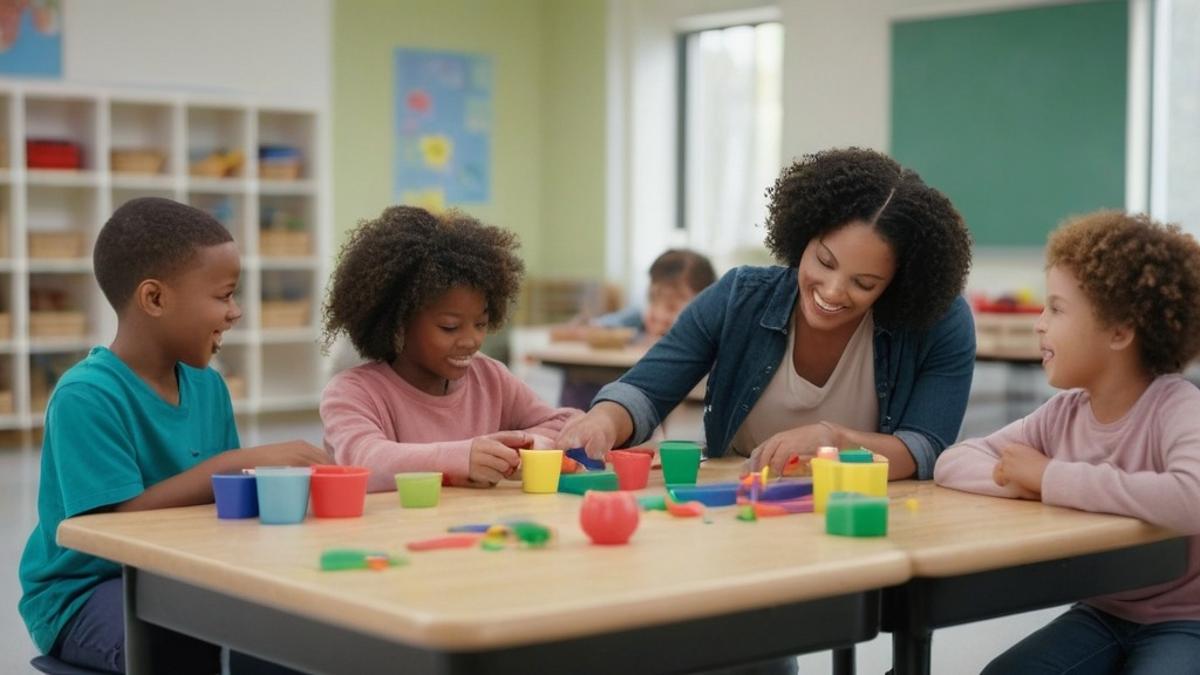
| Category | Key Aspects |
|---|---|
| Barrier Reduction | Accessible Learning Resources significantly lower barriers to education, allowing students with special needs to engage with materials tailored to their unique requirements. |
| Engagement | By providing inclusive learning materials, educators can enhance student engagement, fostering a more interactive learning environment that benefits everyone. |
| Personalized Learning | Special education tools allow for personalized educational experiences, addressing diverse learning styles and needs more effectively. |
| Equal Opportunities | Accessibility in education ensures that all students have equal opportunities to succeed, reducing the achievement gap in special needs education. |
| Community and Support | Accessible resources foster a sense of community among students with disabilities, promoting social interaction and support networks. |
Dive Deeper: Click here to discover more
# The Importance of Accessible Learning Resources for Students with Special Needs
Technology’s Expanding Role in Bridging the Accessibility Divide
Walk into a classroom in Denver or Portland today, and you might spot tablets loaded with text-to-speech software sitting beside traditional textbooks. This shift isn’t cosmetic. Schools embracing digital special education tools are discovering that technology, when deployed thoughtfully, closes gaps that decades of paper-based accommodations never fully addressed.
Speech-to-text software, adjustable font platforms, and AI-driven captioning have moved from novelty to necessity. A 2023 survey by the National Center for Learning Disabilities found that 68 percent of teachers using adaptive technology reported noticeable improvement in comprehension among students with learning disabilities. That figure alone should prompt district administrators to reconsider budget priorities.
What Makes a Resource Genuinely Inclusive
Not every tool marketed as “accessible” actually performs under real classroom conditions. True inclusive learning materials share specific characteristics that separate them from products designed primarily for marketing appeal.
- Compatibility with multiple assistive devices, including screen readers, braille displays, and switch-access systems.
- Content structured with clear headings and logical navigation for students using non-visual browsing methods.
- Built-in flexibility allowing text size, color contrast, and audio speed adjustments without third-party plugins.
- Closed captioning and transcripts provided automatically, not as an afterthought requested by parents.
- Regular usability testing conducted with actual students who have disabilities, not just compliance checklists.
Districts in California have started requiring vendors to demonstrate this level of functionality before contracts are approved, a practice other states are beginning to mirror.
Voices From Educators on the Ground
Interviews with special education coordinators across the Midwest reveal a consistent theme: accessibility in education works best when paired with ongoing professional development, not one-time training sessions. One coordinator in Illinois noted that teachers who received quarterly refreshers on adaptive tools showed far greater confidence integrating them into daily instruction compared to those trained only once at the start of the school year.
This detail matters because tools, no matter how sophisticated, remain underutilized without proper guidance. A screen reader sitting unused on a school-issued laptop provides zero benefit to the student who needs it.
Funding remains the persistent sticking point. Federal grants under IDEA Part B have increased incrementally, yet many districts report that demand for special needs education resources still outpaces available funding. Nonprofit organizations and private foundations have stepped in to fill some gaps, offering grants specifically earmarked for educational support for disabled students in underfunded districts.
Parents advocating for their children have also become a driving force. Grassroots organizations in states like New York and Georgia have successfully lobbied school boards to allocate additional funding toward assistive technology, proving that community pressure can accelerate change faster than policy alone.
DISCOVER MORE: Click here to dive deeper
Where the Path Forward Leads
The evidence gathered from classrooms in Denver, Portland, and beyond points to a single conclusion: Accessible Learning Resources are no longer optional extras but foundational requirements for equitable education. Districts that treat them as afterthoughts risk leaving students behind in ways that ripple far beyond the classroom.
What stands out most is that progress rarely comes from a single source. Technology companies, teachers, parents, and policymakers each play a distinct role, and none can substitute for the others. A tablet loaded with speech-to-text software means little without a trained teacher who knows how to use it, and federal funding under IDEA Part B accomplishes little without grassroots pressure demanding it reach the right hands.
A Broader Lens on Accessibility
Looking ahead, the conversation around special needs education resources should expand beyond compliance and toward genuine innovation. Vendors demonstrating real usability, as California now requires, set a standard that other states would do well to adopt nationwide.
Equally important is recognizing that inclusive learning materials benefit far more than the students they were originally designed for. Adjustable fonts, captioning, and flexible navigation often improve comprehension for entire classrooms, not just those with diagnosed learning differences.
The persistent funding gap remains the clearest signal that work is far from finished. Nonprofit grants and community advocacy have proven effective, yet they function as patchwork solutions to a systemic issue that deserves sustained federal attention.
Ultimately, advancing accessibility in education requires viewing every new tool, policy, and training session through one question: does this genuinely serve the student who needs it most? Districts, families, and lawmakers willing to keep asking that question will shape a more equitable future for educational support for disabled students across the country.
Frequently Asked Questions
What are some examples of accessible learning resources for students with special needs?
Accessible learning resources can include audio books, visual aids, modified textbooks, assistive technology like speech-to-text software, and interactive online platforms designed for varying learning abilities. These resources cater to different needs, ensuring that all students can engage and learn effectively.
How do accessible learning resources impact the academic success of students with special needs?
Accessible learning resources significantly enhance the academic success of students with special needs by providing tailored support that addresses their unique learning challenges. When students have access to materials they can understand and interact with, they are more likely to participate actively and perform better in their studies.
What legal requirements exist in the U.S. regarding accessible learning resources for students with disabilities?
In the U.S., the Individuals with Disabilities Education Act (IDEA) mandates that schools provide accessible learning resources for students with disabilities. This includes developing Individualized Education Programs (IEPs) that outline specific accommodations and resources necessary for each student to succeed.
How can educators ensure that they are providing effective accessible learning resources?
Educators can ensure effectiveness by regularly assessing the needs of each student and choosing resources that match their learning styles and challenges. Collaboration with special education professionals, ongoing training on accessibility technologies, and soliciting feedback from students can also enhance the appropriateness of the resources provided.
What role does technology play in creating accessible learning resources for special needs students?
Technology plays a crucial role in creating accessible learning resources by offering innovative solutions such as adaptive learning platforms, digital content that can be customized, and tools for communication and engagement. These technological advancements break down barriers and make learning more inclusive for students with diverse needs.