

Rethinking How America Learns in the Digital Age
From classrooms in Ohio to home offices in California, the way people learn is undergoing a quiet revolution. Innovative Learning Methods are no longer optional extras—they’re becoming essential tools for anyone hoping to stay competitive in a fast-changing job market. As technology advances and societal needs shift, traditional education models struggle to keep pace with these changes, challenging students and professionals to adapt swiftly.
Recent data from the U.S. Bureau of Labor Statistics shows that the average worker will change careers 5 to 7 times during their lifetime. This reality illustrates the importance of flexibility and adaptability in education. In a world where the job landscape is constantly evolving due to automation and globalization, it’s essential for individuals to embrace continuous learning, shifting from a one-time educational experience to ongoing education that spans their entire careers.
Why Traditional Study Habits Are Falling Short
Cramming the night before an exam or passively rereading textbooks simply doesn’t cut it anymore. According to cognitive science research, these outdated study methods often lead to poor retention and understanding of material. Forward-thinking learners are increasingly aware of more effective alternatives, leading to the rise of new educational paradigms.
- Spaced repetition: This technique involves revisiting material over spaced intervals, significantly enhancing long-term memory retention, as opposed to massed practice, where information is crammed in a short time.
- Active recall: Instead of passively reviewing notes, learners engage in retrieving information from memory, which has been shown to strengthen neural pathways and improve recall ability in practical scenarios.
- Digital learning tools: Platforms like Duolingo or Quizlet offer interactive learning experiences that cater to diverse learning styles and can be accessed anytime, anywhere.
- Microlearning: These bite-sized educational segments fit conveniently into busy schedules, providing quick sessions that facilitate learning on the go and decreasing cognitive overload.
These methods aren’t just modern trends—they’re supported by decades of educational psychology research, which emphasizes the need for personalized learning approaches that meet the varied needs of students and professionals alike.
The Convergence of Technology and Technique
What truly defines today’s innovative approach is the synergy between technology and technique. It’s not simply about having cutting-edge tools; it’s about how they are integrated into online learning strategies that can adapt to individual needs, preferences, and paces. For instance, adaptive learning technologies assess a user’s skills and adjust content delivery in real time, ensuring that each learner can progress at their own speed.
This article explores how combining proven study methods with emerging education technology trends can transform the way Americans of all ages approach learning—whether in college, at work, or simply out of curiosity. With the right tools and techniques at their disposal, learners are better equipped to navigate the complexities of today’s knowledge economy, allowing them to thrive in an ever-evolving landscape.
RECOMMENDED: Integrating Technology and Innovation Spaces: A Pathway to Personalized Learning in Educational Hubs
Building a Personalized Toolkit for Lifelong Learning
Walk into any coffee shop from Seattle to Austin, and you’ll likely spot someone with headphones in, watching a tutorial video while flipping through digital flashcards on their phone. This isn’t distraction—it’s the new face of lifelong education. The modern learner is no longer confined to a single method, textbook, or classroom. Instead, they’re piecing together a personalized toolkit built from multiple digital learning tools and time-tested study techniques.
Why One-Size-Fits-All Education No Longer Works
For generations, American education relied on a fairly rigid model: sit in a classroom, listen to a lecture, take notes, and memorize for a test. But research from Stanford University’s Graduate School of Education suggests that learners retain up to 75% more information when they engage with material through multiple modalities rather than passive listening alone.
This finding has massive implications. It means that pairing a video lecture with hands-on practice, or combining a podcast with written notes, produces dramatically better results than sticking to a single format. Innovative Learning Methods thrive precisely because they embrace this variety instead of resisting it.
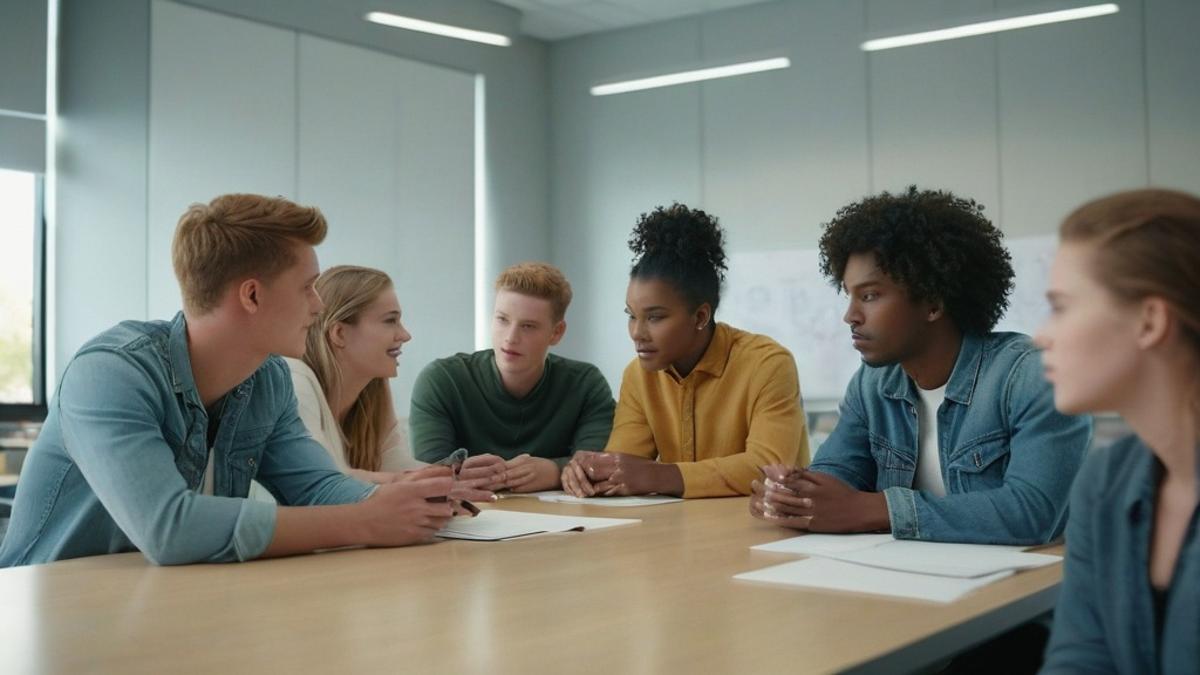
Consider how this plays out in real life. A nursing student in Chicago might use anatomy apps for visual learning, join study groups for peer discussion, and rely on spaced repetition software before exams. Each tool serves a distinct purpose, and together they create a more resilient learning system than any single method could offer.
The Building Blocks of an Effective Learning Stack
Educators and cognitive scientists increasingly recommend assembling a “learning stack”—a curated combination of resources and techniques tailored to individual goals. A well-rounded stack often includes:
- Structured digital platforms like Coursera or Khan Academy for foundational knowledge and guided coursework.
- Retrieval-practice apps such as Anki, which use algorithms to schedule reviews right before information is likely to be forgotten.
- Community-driven forums like Reddit’s study communities or Discord servers, where learners troubleshoot problems collaboratively.
- Note-taking systems, including the Cornell Method or digital tools like Notion, which organize information for easier long-term recall.
What makes this approach so powerful is its flexibility. A busy parent in Florida balancing a full-time job might rely heavily on microlearning apps during short breaks, while a college student in New York may prefer immersive study sessions using adaptive software that mimics one-on-one tutoring.
These online learning strategies aren’t rigid formulas—they’re customizable frameworks. And as more Americans juggle careers, family, and personal growth simultaneously, that adaptability isn’t just convenient. It’s becoming absolutely necessary for anyone serious about keeping their skills relevant in a rapidly shifting economy.
CHECK OUT: Maximizing Online Learning: Effective Study Strategies and Tools for Academic Success
# Innovative Learning Methods: Combining Digital Learning Tools and Study Techniques for Lifelong Education
How Technology Is Rewiring the Way America Learns
Step back a decade, and the idea of learning a new language through a smartphone app seemed almost gimmicky. Today, Duolingo alone reports over 500 million registered users worldwide, with millions logging in daily from cities like San Francisco, Denver, and Atlanta. This shift signals something bigger than a passing trend—it reflects a fundamental change in how education technology trends are shaping everyday habits.
Artificial Intelligence as a Personal Tutor
Perhaps the most transformative shift comes from artificial intelligence entering the classroom, quite literally. Platforms like Khanmigo, developed by Khan Academy, now use AI to act as a personalized tutor, answering questions in real time and adjusting explanations based on a learner’s specific struggles.
This isn’t just convenient—it’s data-backed. A 2023 report from the RAND Corporation found that students using AI-assisted tutoring tools showed measurable improvement in problem-solving speed compared to those relying solely on traditional textbooks. For working professionals in fields like software development or healthcare, this means faster upskilling without needing to enroll in lengthy formal courses.
Adaptive learning software takes this further by adjusting difficulty levels based on performance. Instead of a static curriculum, learners in Ohio or Texas might tackle a quiz that becomes harder or easier depending on their previous answers, ensuring the challenge level always matches their ability.
Gamification: Turning Discipline Into Motivation
Another driving force behind Innovative Learning Methods is gamification. Apps like Forest or Habitica use game mechanics—points, streaks, and rewards—to keep learners motivated long after initial enthusiasm fades.
This taps into a psychological principle known as the “reward loop,” where small, frequent wins encourage continued engagement. It’s the same mechanism that keeps people checking fitness trackers or social media likes, now redirected toward productive study habits.
Some effective gamified techniques include:
- Streak tracking, which builds consistency by visually rewarding daily study habits.
- Leaderboards in platforms like Quizlet, fostering healthy competition among peers.
- Badge systems that mark milestones, giving learners tangible proof of progress.
Microlearning: Education in Bite-Sized Doses
With attention spans shrinking and schedules tightening, microlearning has emerged as a practical solution. Instead of hour-long lectures, platforms like LinkedIn Learning break topics into five- to ten-minute segments, allowing someone commuting on Chicago’s L train to absorb a complete lesson before reaching their stop.
Research from the Journal of Applied Psychology suggests that shorter, spaced-out learning sessions improve retention more effectively than marathon study blocks. This finding validates what many professionals already suspect: consistency often beats intensity when building skills over time.
SEE ALSO: The Role of Innovation Spaces in Fostering Collaborative Learning in Educational Hubs
Building a Personal Learning Ecosystem for the Long Run
What emerges from AI tutors, gamified apps, and microlearning platforms isn’t a single winning formula—it’s a toolkit. The most successful learners across the United States aren’t relying on one app or one method; they’re blending several digital learning tools to fit their own pace, schedule, and goals.
A software engineer in Seattle might use Khanmigo for technical concepts, Quizlet for quick review sessions, and LinkedIn Learning during a lunch break. A nurse in Miami might rely on spaced-out microlearning modules between shifts. Neither approach is wrong; both reflect how Innovative Learning Methods now adapt to real lives rather than forcing people into rigid classroom schedules.
This flexibility matters because lifelong education isn’t optional anymore. The World Economic Forum estimates that 44% of workers’ core skills will change by 2028, driven largely by automation and AI. Staying relevant means treating learning as a continuous habit, not a one-time credential.
Combining proven study techniques—like spaced repetition and active recall—with emerging online learning strategies gives learners a distinct advantage. It’s not about chasing every new app that appears in the App Store. It’s about identifying which tools genuinely improve retention and motivation, then sticking with them long enough to see results.
Looking ahead, expect education technology trends to lean further into personalization, with AI systems predicting knowledge gaps before learners even notice them. For now, the takeaway is simple: experiment deliberately, track what works, and treat every new skill learned as an investment that compounds over a lifetime.
Frequently Asked Questions
What are some examples of digital learning tools that complement innovative learning methods?
Digital learning tools that enhance innovative learning methods include online platforms like Coursera and Khan Academy, interactive apps such as Quizlet and Duolingo, and collaborative tools like Google Workspace. These tools enable learners to access a wide range of resources, practice skills in real-time, and engage in collaborative projects without geographic limitations.
How can I effectively combine traditional study techniques with digital learning tools?
To effectively combine traditional study techniques with digital learning tools, start by identifying your learning style and objectives. You can use digital flashcards for spaced repetition, integrate video tutorials with note-taking, or join online study groups that utilize discussion boards and video conferencing to facilitate peer learning while reinforcing traditional study habits.
What role does gamification play in innovative learning methods?
Gamification plays a crucial role in innovative learning methods by making educational experiences more engaging and interactive. By incorporating game elements like points, badges, and leaderboards into learning activities, learners are motivated to achieve their goals and retain information better, ultimately enhancing their overall educational journey.
Can innovative learning methods be applied in corporate training environments?
Yes, innovative learning methods can be effectively applied in corporate training environments. Companies can utilize digital learning tools, such as e-learning modules and virtual classrooms, alongside traditional methods like workshops and seminars to provide employees with flexible, on-demand training options that cater to diverse learning styles and promote continuous professional development.